

One in three adults grinds their teeth — many do not know it
Bruxism — the medical term for teeth grinding or jaw clenching — affects roughly 30 to 40 percent of Canadians at some point in their lives. The majority grind in their sleep, which means the first sign something is wrong is not the grinding itself but the damage it leaves behind: a chipped molar spotted at a routine checkup, morning headaches that have become routine, or a jaw that aches before you have even finished your first coffee.
A custom night guard from The Smile Doctors is the most reliable way to protect your teeth from this invisible damage. This article explains how to recognise bruxism, why over-the-counter solutions fall short, and what to expect when you have a custom occlusal appliance made.
Signs you may be grinding your teeth
Because sleep bruxism happens unconsciously, many patients only discover it when symptoms accumulate:
• Teeth that look shorter, flatter, or more worn than they should be for your age
• Chipped, cracked, or fractured teeth — particularly the back molars and premolars
• Increased tooth sensitivity, especially to temperature, as enamel wears away
• Jaw soreness, stiffness, or a clicking or popping sensation when opening and closing
• Waking with headaches that begin at the temples
• Facial muscle fatigue or a feeling of tightness in the jaw throughout the day
• A partner or family member who has heard you grinding in your sleep
If you are experiencing multiple symptoms from this list, mention it at your next appointment at The Smile Doctors. We can assess the wear patterns on your teeth and help determine whether bruxism is the cause.
What causes teeth grinding?
Bruxism is not fully understood, but research consistently links it to a combination of factors:
• Stress and anxiety: The most commonly cited trigger. Many patients find their grinding worsens during high-pressure periods at work or at home.
• Sleep disorders: Bruxism is strongly associated with sleep apnea, snoring, and other disrupted sleep patterns.
• Bite misalignment: When the upper and lower teeth do not meet evenly, the jaw can instinctively shift and grind during sleep.
• Medications: Certain antidepressants, particularly SSRIs, are known to cause or worsen bruxism as a side effect.
• Caffeine and alcohol: Both substances can increase muscle activity during sleep and are linked to higher bruxism frequency.
Why over-the-counter night guards are not enough
Pharmacy night guards — the boil-and-bite trays — are better than nothing. But they come with real drawbacks that dentists see the consequences of regularly:
• Fit: They are made from a generic mould, not your actual teeth. A loose guard shifts during sleep, reducing its protective effect and in some cases straining the TMJ.
• Thickness: Most OTC guards are thicker than necessary, which can alter your bite angle and cause jaw discomfort.
• Durability: The softer materials used in cheap guards wear through quickly, especially in patients who grind heavily. Many patients replace them every two to three months.
• Compliance: Bulky, uncomfortable guards are guards that end up on the nightstand rather than in your mouth.
Custom occlusal appliances at The Smile Doctors
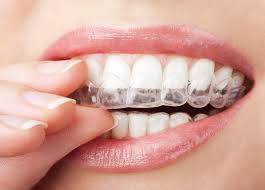
A custom night guard made by our team is fabricated from precise impressions or a digital scan of your teeth. The result fits exactly the way a mouthguard should: snug enough to stay in place without being tight, thin enough to be comfortable, and made from materials selected for your specific grinding pattern.
Here is what the process looks like:
• Appointment 1 — Assessment and impressions: We examine your teeth for wear, assess your bite and jaw joint, and take impressions or a digital scan of both arches.
• Lab fabrication: Your guard is made at a dental laboratory, typically within one to two weeks, from hard or dual-laminate acrylic depending on the severity of your grinding.
• Appointment 2 — Fit and adjustment: You try the guard in, we check the fit and bite, and make any micro-adjustments on the spot. You leave with your guard the same day.
Most custom guards last three to five years with proper care — compared to a few months for a pharmacy option. They are also far more comfortable, which means patients actually wear them.
Does insurance or the CDCP cover night guards?
The Canadian Dental Care Plan does not cover night guards or occlusal appliances — they are specifically listed as exclusions. However, many private dental insurance plans do provide partial coverage, often 50 to 80 percent of the lab cost, under the "basic" or "major" service category depending on your plan.
We will review your coverage before we proceed and provide a written estimate of your out-of-pocket cost. For patients without coverage, we are happy to discuss payment options.
Protecting your dental work
If you have had crowns, bridges, veneers, or dental implants, a night guard is even more important. Bruxism is one of the most common causes of restoration failure. The force generated during grinding can crack a crown or chip a veneer that would otherwise last a decade. Think of a night guard as an insurance policy on the dental work you have already invested in.
→ Concerned about teeth grinding? Book an occlusal assessment at The Smile Doctors and we will determine whether a custom night guard is right for you.







.png)
.png)
.png)