
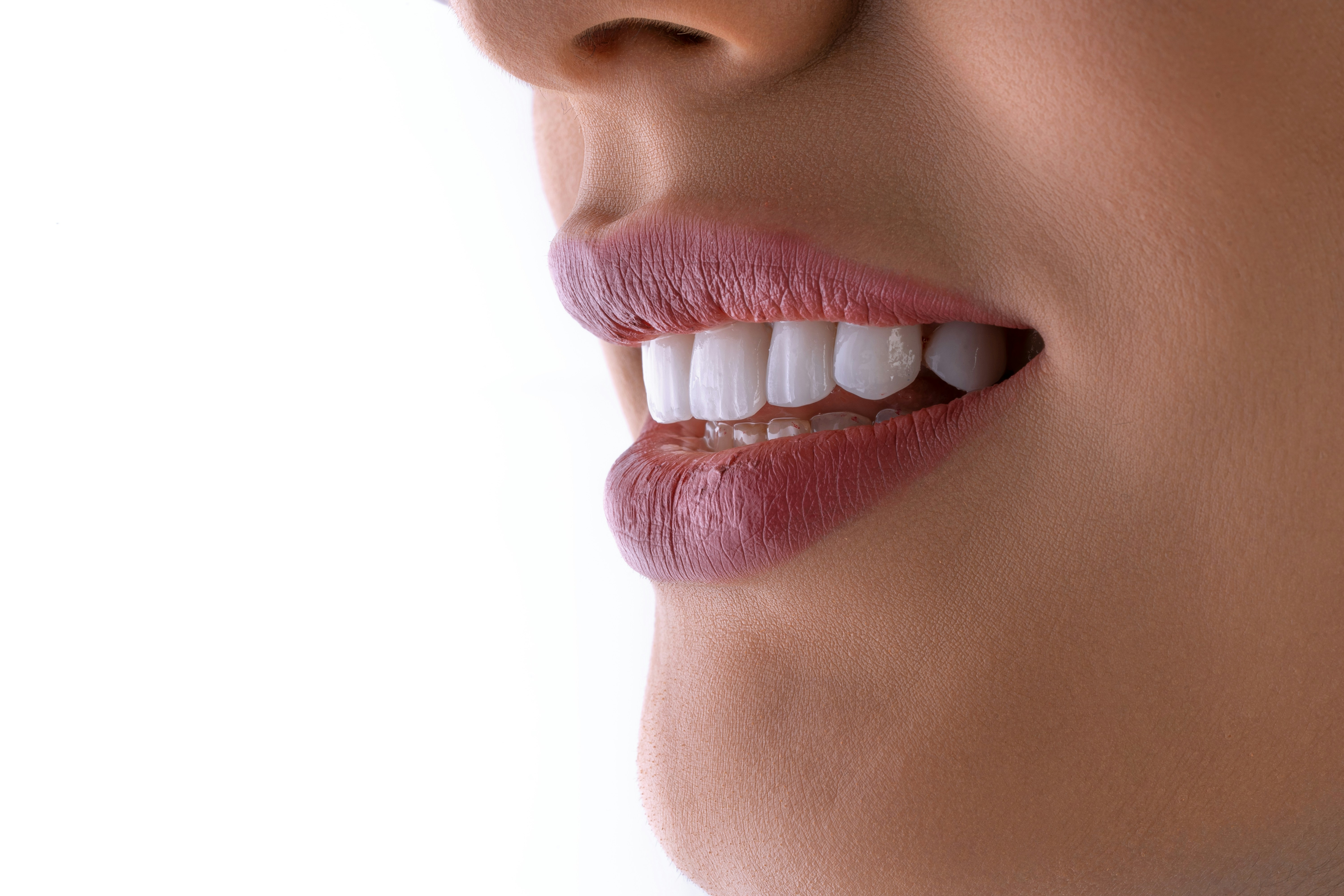
The question every patient asks first
If you have been holding back from asking about veneers because you are worried they require shaving your teeth down to stubs, you are not alone — and you are working from outdated information. Modern veneers, particularly the ultra-thin porcelain options available today, require far less tooth reduction than the restorations of a decade ago. In many composite bonding cases, there is no removal of tooth structure at all.
At The Smile Doctors in Nepean, veneers are one of the most requested cosmetic treatments. This guide will walk you through what they are, who is a good candidate, the difference between your two main options, what the process looks like at our clinic, and what you can realistically expect to invest.
What are dental veneers?
A veneer is a thin shell — either made of porcelain in a dental lab or applied chair-side in composite resin — that is bonded to the front surface of your tooth. Veneers change the colour, shape, length, or surface texture of teeth without requiring a full crown, which means more of your natural tooth structure is preserved.
They are almost exclusively used on the teeth that are visible when you smile — typically the upper front six to ten teeth, and sometimes the lower teeth as well.
Who is a good candidate for veneers?
Veneers work best for patients who have generally healthy teeth and gums but are unhappy with the appearance of one or more teeth. Common reasons Ottawa patients seek veneers include:
• Permanently stained or discoloured teeth that do not respond to whitening — often caused by tetracycline antibiotics taken in childhood, excessive fluoride, or root canal treatment.
• Chipped or broken teeth that compromise the look of the smile without affecting function significantly enough to need a crown.
• Minor gaps between teeth where orthodontic treatment is not wanted or the spacing is too small for Invisalign to address efficiently.
• Worn-down teeth from years of grinding (bruxism), acid erosion, or age.
• Slightly misaligned or uneven teeth where the patient wants a faster result than Invisalign.
Veneers are not appropriate for patients with active gum disease, significant tooth decay, heavily weakened tooth structure, or severe bite misalignment. A dental crown may be recommended instead when more than the front surface needs restoring. During your cosmetic consultation at The Smile Doctors, we assess your full oral health picture before recommending any cosmetic treatment.
Porcelain veneers vs composite bonding: understanding your options
Porcelain veneers
Porcelain veneers are fabricated by a dental lab from high-strength ceramic material. They are considered the gold standard for aesthetic results: they mimic the light-reflecting properties of natural enamel, resist staining from coffee, tea, and red wine, and last on average 10 to 15 years with proper care.
The process requires two appointments. At the first, a very thin layer of enamel (as little as 0.3 to 0.7 mm) is removed from the tooth surface to create space for the veneer. Impressions or a digital scan are taken and sent to the lab. Temporary veneers are placed while your permanent restorations are being made — usually one to two weeks. At the second appointment, the temporaries are removed, the fit and shade are verified, and the permanent veneers are bonded in place.
Cost range in Canada: approximately $1,200 to $2,500 per tooth, depending on material quality and number of veneers placed.
Composite veneers (direct bonding)
Composite bonding involves applying and sculpting tooth-coloured resin directly onto the tooth surface in a single appointment. No lab is required, no temporary restorations, and in many cases no removal of tooth structure at all.
The trade-offs compared to porcelain: composite stains more readily over time, is less durable (lifespan of 5 to 7 years before recontouring or replacement), and does not produce quite the same translucency as high-quality ceramic. That said, in skilled hands, composite bonding produces beautiful, natural-looking results — and at a lower cost.
Cost range in Canada: approximately $250 to $600 per tooth, making it a realistic option for patients who want smile improvement without a large up-front investment.
The veneer process at The Smile Doctors
Our approach to cosmetic treatment always starts with a consultation, not a sales pitch. Here is what the journey looks like:
• Step 1 — Consultation and smile assessment: We discuss what you like and dislike about your smile, review photos of potential outcomes, and examine your teeth, gums, and bite to confirm you are a suitable candidate.
• Step 2 — Treatment planning: For porcelain veneers, we take impressions or a digital scan and work with a trusted local lab to design your veneers. We can show you a digital preview of the anticipated result.
• Step 3 — Preparation appointment (porcelain only): A minimal amount of enamel is removed, impressions or scans are taken, and you leave with comfortable temporary veneers.
• Step 4 — Bonding appointment: The temporary veneers come off, we verify the fit, shape, and shade, and the permanent veneers are bonded using a light-cured dental adhesive. For composite bonding, this is the only appointment.
• Step 5 — Follow-up: We schedule a brief check two to four weeks later to confirm your bite feels right and you are happy with the result.
How to care for your veneers
Veneers are durable but not indestructible. A few habits will significantly extend their life:
• Brush twice daily with a non-abrasive fluoride toothpaste. Avoid whitening toothpastes, which can abrade porcelain surfaces over time.
• Floss daily. Veneers do not change how you floss, but maintaining healthy gums underneath them is essential.
• Wear a night guard if you grind your teeth. Bruxism is one of the leading causes of veneer fracture. Ask us about a custom occlusal appliance.
• Avoid using your teeth as tools — opening packages, cracking nuts, or biting nails can chip veneers.
• Limit staining beverages (coffee, red wine, tea) with composite veneers especially, and rinse with water after consuming them.
Are veneers covered by insurance?
In Canada, veneers are classified as a cosmetic procedure and are not covered by the Canadian Dental Care Plan (CDCP) or most standard private dental insurance plans. Some premium private plans include partial coverage for cosmetic treatment — check your policy details or ask our team to review your coverage with you before committing.
Financing options are something we are happy to discuss at your consultation to help make treatment accessible.
→ Ready to explore what veneers could do for your smile? Book a cosmetic consultation at The Smile Doctors in Nepean.







.png)
.png)
.png)